10 Regional Android Apps the US Play Store Is Hiding From You
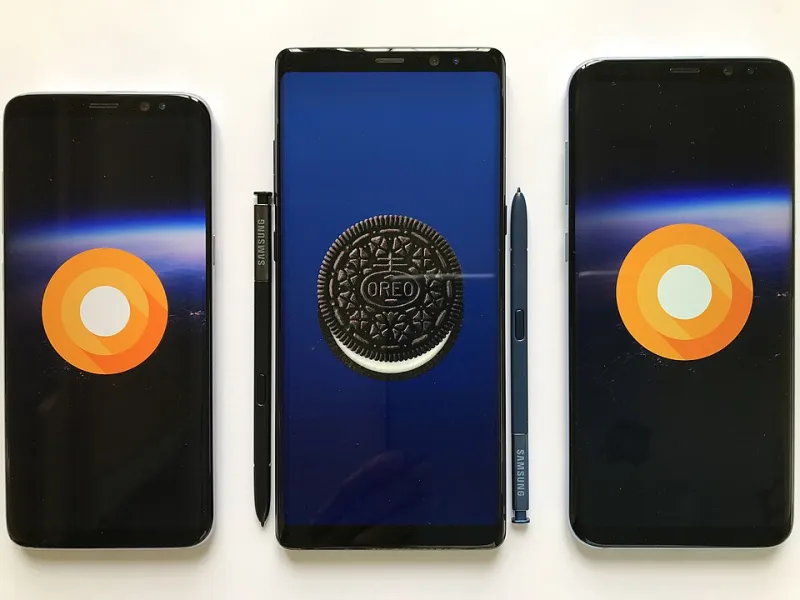
Photo: Frederico Banana, CC BY-SA 4.0, via Wikimedia Commons
The US Play Store is enormous, sure. But it's also a curated slice of what actually exists in the Android ecosystem. Millions of apps built for markets in Asia, Latin America, Africa, and Europe never get a US listing — either because the developer hasn't prioritized it, because Google's regional content policies get in the way, or simply because the app was built to solve a problem that's more acute somewhere else.
That's a shame, because some of these apps are genuinely excellent — and in a few cases, they do things that no mainstream US equivalent can match. Here's our roundup of 10 regional Android apps worth going out of your way to find, along with some context on why they're worth the extra effort.
A note on safety first: All the apps listed here are available via reputable APK repositories or the developers' official sites. Always verify checksums, scan files before installing, and grant only the permissions each app actually needs. If you want a full walkthrough on safe sideloading practices, we've got you covered in our sideloading guide.
1. Paytm (India) — Payments That Actually Work Offline
Paytm is India's dominant mobile payment platform, and while a stripped-down international version exists, the full regional build has features that Venmo and Cash App still haven't implemented — including offline payment via QR codes using Bluetooth. If you've ever been frustrated by payment apps that die the moment you lose signal, the engineering behind Paytm's offline mode is worth experiencing.
Best for: Developers studying offline-first UX, frequent travelers to India.
2. Naver (South Korea) — Search That Doesn't Feel Like 2009
Naver is South Korea's dominant search engine, and its Android app is a master class in information density done right. It surfaces news, maps, shopping, and encyclopedia-style content in a unified interface that somehow doesn't feel cluttered. Its real-time trending feature and integrated webtoon reader also make it a fascinating cultural window.
Best for: Anyone interested in how non-Google search experiences are designed.
3. M-Pesa (Kenya/East Africa) — Mobile Money Done Differently
M-Pesa pioneered mobile money in East Africa and remains one of the most sophisticated peer-to-peer financial platforms in the world. The app handles money transfers, bill payments, savings, and even microloans — all through a UI optimized for low-bandwidth environments. US fintech apps talk about financial inclusion; M-Pesa actually built the infrastructure for it.
Best for: Fintech developers, travelers to East Africa, anyone curious about mobile-first banking.
4. Grab (Southeast Asia) — The Super App Model in Action
Grab started as a rideshare app and evolved into a full super app covering food delivery, groceries, financial services, and healthcare bookings. The US version of this concept (think DoorDash plus Uber plus Venmo) is fragmented across five different apps. Grab does it in one, and the UX integration is genuinely impressive. Great for travelers, and eye-opening for product designers.
Best for: Southeast Asia travelers, UX designers studying super app architecture.
5. Truecaller (Sweden/Global, dominant in India) — Caller ID That Actually Works
Truecaller is technically available in the US Play Store in a limited form, but the full-featured regional build available via APK is substantially more capable — with spam call blocking, SMS filtering, and a caller ID database that dwarfs what US carriers offer. If robocalls are ruining your day (and whose aren't?), the international version of Truecaller is worth a look.
Best for: Anyone drowning in spam calls who wants something more aggressive than their carrier's solution.
6. Xiaomi's MIUI Weather (China) — Weather Apps That Are Actually Beautiful
Xiaomi's system weather app, distributed separately as an APK for non-MIUI devices, has one of the most visually polished forecast interfaces on Android. Animated backgrounds, hyperlocal data sourcing, and an air quality index integration make it stand out from the Google Weather widget most US users default to. It's lightweight, too.
Best for: Anyone who wants a weather app that doesn't look like a spreadsheet.
7. Yandex Maps (Russia) — Offline Maps With Serious Depth
Yandex Maps has earned a devoted following outside Russia for one reason: its offline map data is extraordinarily detailed, and the navigation engine handles complex urban environments better than Google Maps in several cities. If you're traveling somewhere with spotty data and need turn-by-turn that actually works, it's worth having as a backup.
Best for: International travelers, anyone who needs robust offline navigation.
8. Kakao T (South Korea) — Rideshare Booking Done Transparently
Kakao T is South Korea's dominant rideshare and taxi booking app, and it does something US rideshare apps have never quite managed: full fare transparency before you book, with no surge pricing surprises. The app also integrates public transit, bike rentals, and parking — all in one booking flow. A great reference point for what urban mobility apps could look like.
Best for: Seoul visitors, urban mobility enthusiasts, product designers.
9. Meitu (China) — Photo Editing Features US Apps Haven't Caught Up To
Meitu's photo editing capabilities go well beyond what Snapseed or Lightroom Mobile offer for portrait retouching and AI-assisted stylization. The regional build (available via APK) includes features that get stripped from the international version due to data localization requirements. If you're into mobile photography, the processing quality alone makes it worth trying.
Best for: Mobile photographers, content creators, anyone who edits portraits frequently.
10. PhonePe (India) — UPI Payments Explained Through Great Design
PhonePe is built on India's Unified Payments Interface (UPI) — a government-backed real-time payment rail that processes billions of transactions monthly with near-zero fees. The app's design makes navigating complex financial tasks genuinely simple. As the US slowly moves toward faster payment infrastructure, PhonePe is a useful benchmark for what consumer-facing real-time payments can look like.
Best for: Fintech professionals, India travelers, payment system enthusiasts.
How to Get These Apps Safely
None of these require sketchy sources. Most are available through the developers' official websites or well-maintained APK repositories that publish file hashes and version histories. A few quick tips:
- Search for the official developer site first. Many of these companies host direct APK downloads.
- Use VirusTotal to scan any file before installing — just drag and drop the APK.
- Check permissions carefully. A weather app doesn't need access to your contacts. A payment app shouldn't need your microphone.
- Use Android's per-app sideloading permission (Settings > Apps > Special App Access > Install Unknown Apps) to limit which apps can trigger installs.
The Android ecosystem is genuinely global, and some of the most interesting software being built right now isn't showing up in your default app store. These ten are a solid starting point.